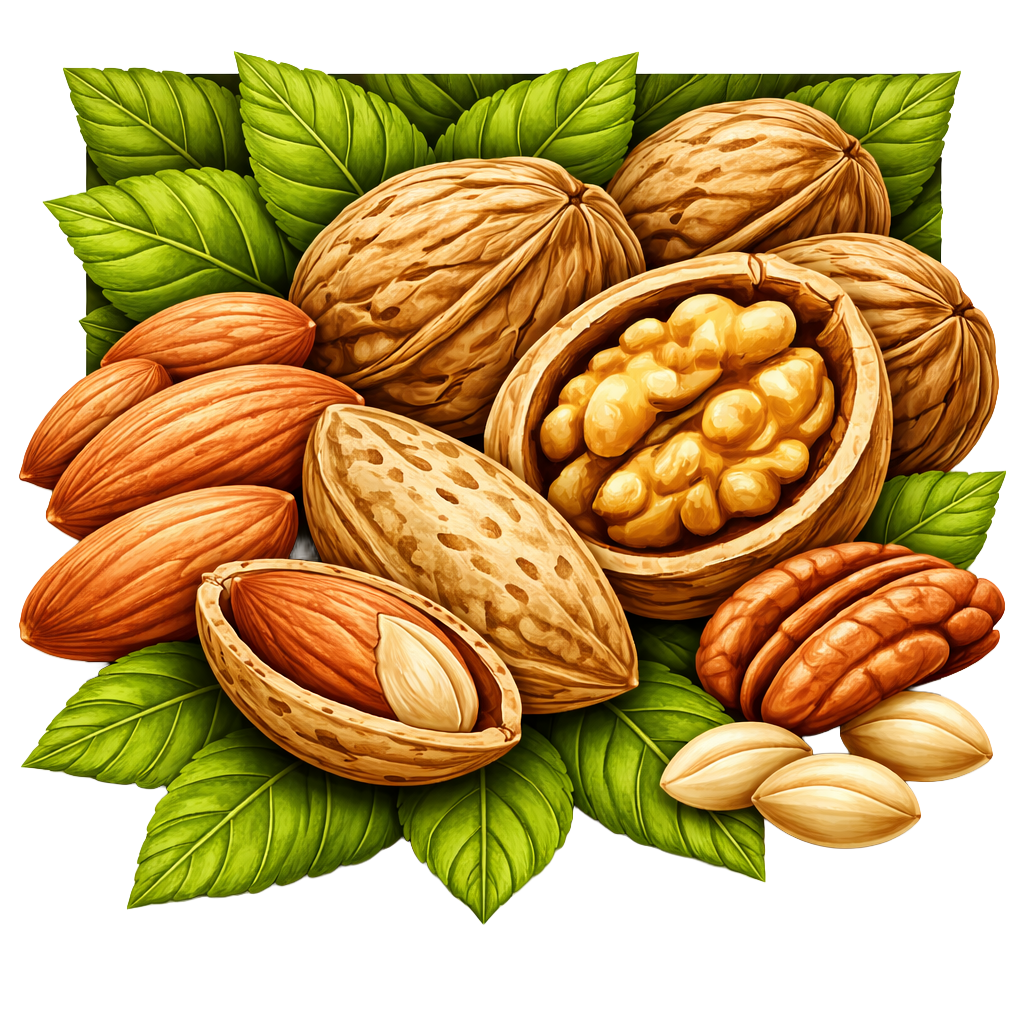
Walnuts • In-shell (natural) • Specs-first sourcing

Bulk In-Shell Walnuts (Natural)

Atlas Nut Supply, LLC supplies bulk in-shell walnuts (natural shell appearance) to manufacturers, brands, and distributors. We cooperate with multiple California supplier programs to align the right grade, size, shell integrity, packaging, documentation, and delivery lane for your procurement.

Common use cases include retail/gift programs, cracking operations, and export demand for natural-shell presentation. If you need a specific variety (e.g., Chandler) or mixed-size marking (Jumbo/Large), include it in your request.

Format
In-shell walnuts (natural)
Programs
U.S. + global export
Support
COA • traceability • docs

Request a quote Read applications Back to catalog

Fastest quoting: share grade (if specified), size (Mammoth/Jumbo/Large/Medium/etc.), desired shell appearance (natural/unbleached), pack size, volume, and destination (and port if export).
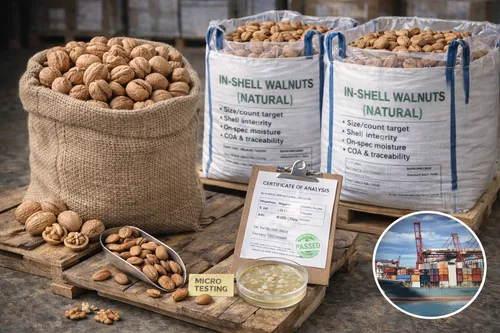
Bulk In-Shell Walnuts (Natural) for wholesale supply — Atlas Nut Supply

In-shell walnuts (natural) options

Common program variables (availability varies by season and supplier program):

  • USDA size names (Mammoth/Jumbo/Large/Medium/Standard/Baby) and mixed-size markings (e.g., Jumbo/Large)
  • Natural shell appearance (unbleached); specify if “washed only” is required for your market
  • Shell integrity targets: splits, broken shells, perforations, adhering hull, discoloration tolerances
  • Moisture handling: dry walnut moisture guidance and condensation risk management in transit
  • Packaging: bulk sacks/cartons; pallet and container-loading options for export lanes
  • Traceability + COA available per supplier program

Need consumer-ready language? Many retail in-shell walnut programs include “may contain shell pieces” and standard tree-nut allergen statements. Tell us your label and market requirements.

Industrial applications

Typical manufacturing and ingredient uses:

  • Retail and gift programs (program dependent)
  • Cracking operations (kernel recovery programs)
  • Export lanes for in-shell demand
  • Seasonal promotions and mixed assortments

For deeper application guides, see the Atlas Nut Academy.

Product specifications (buyer-facing)

Use this section as a quick spec reference when building an RFQ. Exact limits and test methods vary by program and destination.

Specification Typical reference / how buyers specify
Product In-shell walnuts (natural shell appearance / unbleached)
Botanical English / Persian walnut (Juglans regia)
Grade Often specified as U.S. grade (e.g., U.S. No. 1 / U.S. No. 2) or commercial class (Merchantable / Class I / Class II), depending on lane and buyer spec.
Size Specify Mammoth/Jumbo/Large/Medium/Standard/Baby or mixed-size marking (e.g., Jumbo/Large). See sizing guide below.
Moisture (dry walnuts) Common trade reference for dry walnuts: ≤12% moisture for the whole nut and ≤8% for the kernel (confirm destination requirements and method).
Shell integrity Buyer-defined tolerance for splits, broken shells, perforations, adhering hull, discoloration, foreign matter; align with your cracking/retail needs.
Kernel condition Well dried; free from rancidity/off flavors; free from decay/rot and live insects; mold/insect damage limits set by grade/spec (program dependent).
Allergens Tree nut allergen. Retail programs commonly include a “may contain shell pieces” caution for consumer handling (label-specific).
Packaging Typical bulk: 50 lb or 25 kg food grade sacks; alternative packouts (cartons, pallets, container loading) available by program.
Documentation COA, microbiology (as required), allergen statement, country of origin, traceability/lot code, crop year (often requested for export lanes), and destination-specific compliance documents.

Natural shell note: If your destination requires a specific shell appearance standard (strictly unbleached vs washed), specify it. Some markets allow shell washing/bleaching only if permitted by importing regulations and kernel quality is not affected.

Export planning: Share destination country + port, desired pack format, and required ship/arrival window so we can confirm lane feasibility and documentation.

Sizing guide (USDA size names)

Buyers often specify size by the USDA size names. These are based on screening through round openings (diameter). If you have a target minimum diameter or a specific market sizing table, attach it to your RFQ.

Size name Common screening reference (round opening) Approx opening diameter
Mammoth Not over 12% (by count) pass through 96/64" 1.50" (38.1 mm)
Jumbo Not over 12% pass through 80/64" 1.25" (31.8 mm)
Large Not over 12% pass through 77/64" (Eureka type: 76/64") 1.20" (30.6 mm) / 1.19" (30.2 mm)
Medium At least 88% pass through 77/64" and not over 12% pass through 73/64" Between ~1.20" and ~1.14" (30.6–29.0 mm)
Standard Not over 12% pass through 73/64" 1.14" (29.0 mm)
Baby At least 88% pass through 74/64" and not over 10% pass through 60/64" ~1.16" / 0.94" (29.4 mm / 23.8 mm)

Mixed-size markings (common in trade)

Some programs mark mixed sizes on sacks with the larger size listed first:

  • Jumbo/Large: minimum 70% Jumbo
  • Large/Medium: minimum 70% Large or greater
  • Medium/Baby: minimum 70% Medium or greater

If you require a tighter split (e.g., minimum 80% Jumbo), include it as a custom tolerance in your request.

Variety & crop labeling

If you specify a single variety, programs often allow a small tolerance for other types. Export lanes may also request crop year on markings and traceability labels.

Tip: For retail/gift programs, share your preferred visual target (shell brightness, uniformity, and allowable superficial marks), since “natural” shells vary by season and handling.

Quality & tolerances (how to specify)

In-shell walnuts are commonly specified by grade + size, then refined with tolerances for shell and kernel defects. Below is buyer-oriented language you can copy into an RFQ (final limits depend on the program you select).

Shell (external) defect targets

  • Splits: specify an allowable % by count (often grade-based)
  • Broken shells: define “broken” threshold (e.g., missing area greater than a set diameter)
  • Perforations: define allowable aggregate perforation size
  • Adhering hull: set tolerance and define “serious” threshold
  • Discoloration: set a visible area threshold and “serious” threshold
  • Foreign matter: define practical cleanliness expectation

If your product is for cracking operations, tell us your key driver (kernel yield vs appearance) so we can match the right grade/size profile.

Kernel (internal) defect targets

  • Moisture / cure: “well dried” kernels; define any “pliable/rubbery” limits
  • Rancidity/off flavor: clean fresh walnut flavor target
  • Mold: define conspicuous vs inconspicuous tolerance
  • Insect damage: set tolerance; typically no live insects
  • Discoloration: define acceptable color range (often tied to grade)

For consumer-facing programs, include a “may contain shell pieces” caution where required by your label standards.

Moisture reference (dry in-shell walnuts): Many export/trade standards reference max moisture of ≤12% for the whole nut and ≤8% for the kernel (confirm your destination method and limit).

Packaging & logistics (bulk + export)

Packaging format impacts shelf-life stability, handling speed, and export lane cost. Tell us your receiving constraints (pallet height, forklift entry, container loading, and any warehouse restrictions).

Common bulk pack formats

  • 50 lb (22.7 kg) sacks (common for in-shell programs)
  • 25 kg sacks for metric/export alignment
  • Custom labeling: lot code, crop year, size marking, and destination language where required
  • Palletization: stretch wrap, corner boards, and export-ready pallet specs (lane dependent)

If you need a specific outer pack (cartons over sacks, pails, or other), include it in your RFQ.

Lane planning checklist

  • Destination: city/state/country + port (if export)
  • Incoterms (if applicable): EXW/FOB/CIF/etc.
  • Receiving window: required ship date and/or arrival date
  • Documentation: COO, phytosanitary or destination-specific documents (as required)
  • Container notes: ventilation/condensation risk management for long transit

For closed-container shipments, moisture management and temperature stability matter—share your transit duration and storage plan.

Storage & shelf-life guidance

In-shell walnuts are sensitive to heat, humidity, and odors. Proper handling protects quality, reduces rancidity risk, and helps keep shells and kernels stable through transit.

Storage best practices (practical)

  • Keep sealed between uses; limit exposure to humid air
  • Cool + dry storage; avoid temperature swings that cause condensation
  • Odor control: do not store/ship with onions, garlic, or other odiferous products
  • Protection: keep away from direct sunlight and heat sources

If you share your storage temperature and expected hold time, we’ll suggest a practical handling plan.

Typical shelf-life expectations

  • Shelf life reference: many programs target ~12–18 months from harvest under proper storage/handling
  • Receiving note: inspect sacks/cartons for punctures and reseal partials to reduce oxidation/odor pickup
  • QA: confirm moisture and sensory targets on receipt for long storage programs

Planning a long export lane? Tell us your transit time + destination climate so we can recommend the right pack format and handling notes.

Specs checklist (quote-ready)

Send your spec sheet if you have one. Otherwise, start here for faster alignment.

  • Product: In-shell walnuts (natural / unbleached shell appearance)
  • Grade target: e.g., U.S. No. 1 or U.S. No. 2 (or your internal commercial grade spec)
  • Size target: Mammoth / Jumbo / Large / Medium / Standard / Baby or mixed-size marking (Jumbo/Large, etc.)
  • Shell integrity: splits, broken shells, perforations, adhering hull, discoloration tolerances
  • Moisture + storage expectations: your target + any destination method requirements
  • Micro requirements and allergen handling expectations (as applicable)
  • Packaging: 50 lb or 25 kg sacks (or specify alternate); pallet constraints; container loading requirements (if export)
  • Volume: first order + forecast cadence
  • Destination: city/state/country (and port if export)
  • Delivery window: required ship/receipt dates
  • Documentation: COA, traceability/COO, crop year (if needed), certifications if required
  • Label needs: language, lot coding format, and any consumer caution statements required for your market

Share the end application (retail, cracking, export) and lane details and we’ll help confirm the right size/grade and packaging targets for performance and shelf-life.

FAQ: In-shell walnuts (natural)

What is the difference between natural and bleached in-shell walnuts?

“Natural” refers to a natural shell appearance (not cosmetically lightened). Some trade standards note that shells may be washed and bleached if permitted by the importing country and if kernel quality is not affected. If you require strictly unbleached shells (natural-only), specify it in your RFQ.

What specs do you need to quote bulk in-shell walnuts (natural)?

At minimum: grade (if specified), size target (Mammoth/Jumbo/Large/etc. or mixed size), packaging (50 lb / 25 kg or other), volume, destination/port, and timeline. Add shell integrity tolerances and documentation needs (COA/traceability/COO) for faster alignment.

Do you ship in-shell walnuts (natural) outside the United States?

Yes. We support export lanes depending on destination, volume, and required documentation. Share the country/port and timeline for planning.

Can you provide COA and traceability documentation?

Yes. COA and traceability documentation are available per supplier program. If you require certifications, destination-specific documents, or crop-year markings, note them in your inquiry.

How should in-shell walnuts (natural) be stored for best shelf-life?

Keep sealed, cool, and dry, protected from heat, humidity, and odors. Avoid temperature swings to reduce condensation risk. Do not store or ship with odiferous products (e.g., onions/garlic). Share your storage conditions and hold time for more specific guidance.

What packaging is most common for bulk in-shell walnuts?

Bulk in-shell programs commonly run in 50 lb sacks, with 25 kg sacks often used for export alignment. If you need cartons over sacks, specific pallet heights, or custom label language, include those requirements in your RFQ.